Ana, a 32-year-old professional, has always been dedicated and committed to her work. With a degree in Business Administration, she began her career at a large technology company, where she initially felt excited about the learning and growth opportunities.
However, after a few years, Ana began to feel a decline in her motivation. Part of this was due to her daily routine becoming repetitive.
On the other hand, the challenges, which had previously excited her, now seemed monotonous. It was at this point that the company decided to implement a development and training program for its employees, focusing on motivation and well-being in the workplace.
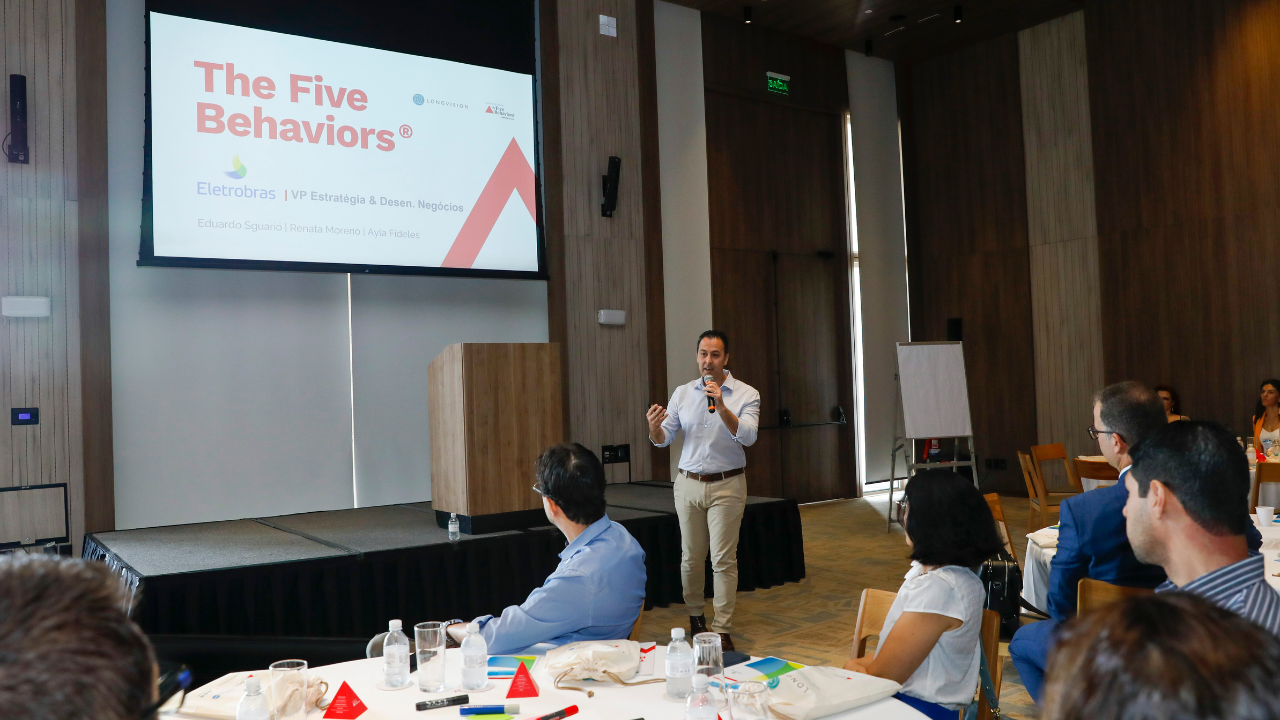
The program included a series of workshops on self-awareness, personal motivation techniques, and training focused on developing specific skills. Ana enrolled in several courses and began actively participating in the proposed activities.
Everything seemed to be going well. However, a few months after the program ended, people, including Ana, became demotivated again for various reasons, beyond the financial and self-discovery incentives.
So, management conducted a survey with the company's HR department. In it, people addressed some of the main issues that demotivated them. And, among them – the majority, in fact – they listed recognition and how leadership views it.
The training sessions, workshops, and activities offered to employees were crucial. However, they did not involve leadership.
In other words, the subordinates were motivated until they clashed with their leaders, who were not on the same page as those employees.
It's not that the program hasn't yielded good results. Quite the contrary. However, the change needs to involve the top. If that doesn't happen, leaders and those they lead will hardly find common ground based on trust and shared values.
Thus, the humanized leadership approach was established in that program, where leaders were trained to recognize and value the individual needs of each team member, promoting a more welcoming and inspiring work environment.
Ana's story illustrates how motivation can be revitalized through well-implemented strategies. Furthermore, it's worth emphasizing that change needs to start with leadership, from the top.
Here are some of the most effective techniques for motivating individuals in the workplace:
Setting clear and achievable goals is crucial for keeping employees motivated. Well-defined objectives provide a sense of direction and purpose, helping people understand how their individual contributions impact the overall success of the organization.
Recognizing employees' effort and success is one of the most powerful forms of motivation. This can be done through public praise, financial bonuses, or professional development opportunities.
In general, recognition generates a feeling of value and belonging, which is essential for maintaining high morale.
As previously mentioned, investing in ongoing training and development is vital for keeping employees engaged. Personal and professional development programs not only improve workers' skills but also demonstrate that the company values growth and development.
Allowing employees autonomy in their tasks and flexibility in their schedules can significantly increase motivation. Confidence in individual abilities and the freedom to innovate and create solutions are major motivational factors.
Of course, creating a positive and collaborative work environment is fundamental. Well-designed spaces, an inclusive organizational culture, and well-being policies contribute to a healthy and motivating organizational climate.
Finally – and most importantly – the development and maintenance of humanized leadership. Broadly speaking, this type of leadership plays the biggest role in employee motivation and performance.
In other words, leaders who adopt an empathetic approach, focusing on the needs and well-being of their teams, are more likely to inspire trust and loyalty. Here are some fundamental principles of humanized leadership:
Consequently, the results will come!
Want to know which training programs are perfect for building trust and motivation within teams? Check them out below: